
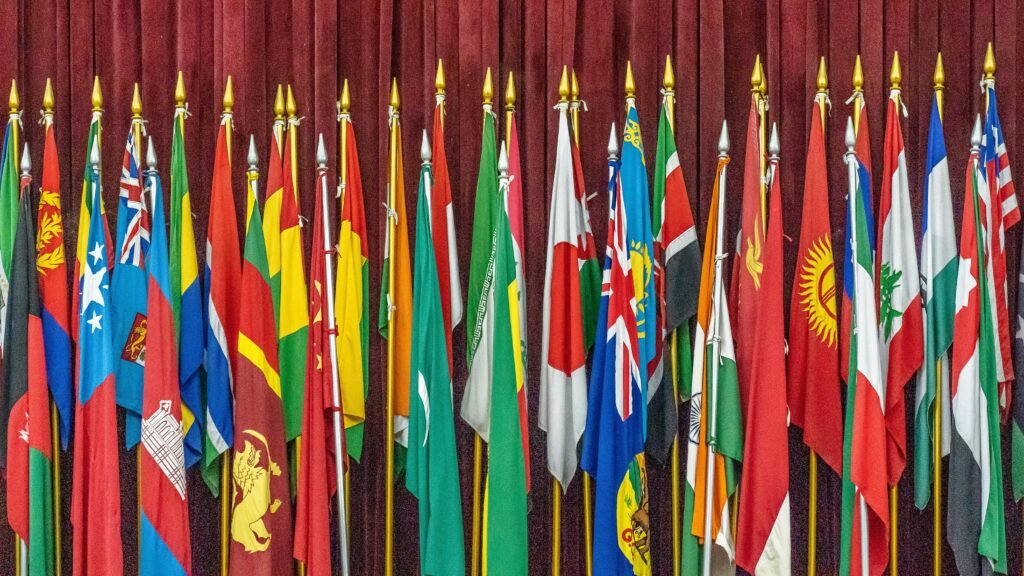
Understanding Geopolitics
Geopolitics is a multidisciplinary field that examines the interconnections between geographical space and political behavior. It primarily involves understanding how various geographic factors—such as location, natural resources, and demographic characteristics—affect the political landscape of nations. The study of geopolitics allows analysts and scholars to comprehend the dynamics of power that exist in the international arena and how these dynamics influence global interactions.
Geographic location plays a crucial role in geopolitics, as it determines access to resources, trade routes, and potential military advantages. For example, nations located near valuable resources, such as oil or minerals, often wield substantial influence on the global stage, as their resources attract both allies and adversaries. Additionally, strategic chokepoints, like the Strait of Hormuz or the Panama Canal, manifest the geopolitical significance of certain locations in international trade and security strategies.
Historical instances provide further evidence of geopolitics’ importance in shaping international relations. The Cold War is one such example, where geographical divisions, notably between the Eastern and Western blocs, played a central role in the ideological and military confrontation. Similarly, territorial disputes, such as those in the South China Sea, underscore how geographical factors can lead to tensions and conflicts among nations. Furthermore, the rise of economic powers, such as China, can be analyzed through the lens of geopolitics, considering its demographic strengths and resource allocation.
Thus, geopolitics is not merely an academic discipline; it is a fundamental component of contemporary global affairs. Understanding geopolitics enables nations to navigate the complexities of international relations and economic warfare, as they seek to harness their geographical advantages while mitigating potential threats.
The Intersection of Geopolitics and Economics
The interplay between geopolitics and economics is a crucial aspect of global relations, shaping the strategic decisions of nations worldwide. Geopolitical advantages, such as geographical location, resource availability, and political alliances, often dictate a country’s economic policies and vice versa. Nations frequently leverage these advantages to enhance their economic strengths while simultaneously mitigating potential risks. For instance, countries may impose sanctions or negotiate trade agreements strategically, aiming to bolster their economic position on the global stage.
Trade agreements serve as significant tools in this relationship, as nations align their economic interests with political objectives. By forming alliances through trade partnerships, countries can create economic dependencies that enhance their bargaining power diplomatically. Conversely, nations may also face economic repercussions in response to geopolitical tensions. The imposition of tariffs or trade barriers is a pertinent example of how economic strategies are utilized during periods of geopolitical strife. Such actions are often employed as methods of economic warfare, aimed at undermining an adversary’s economic capabilities.
Foreign investments are another critical element within this intersection. Nations strategically invest in foreign markets to secure their access to vital resources or technology, thus enhancing their geopolitical leverage. The control over natural resources has historically been a central theme in geopolitics, influencing economic policies significantly. Countries rich in energy resources or rare minerals frequently find themselves at the center of geopolitical maneuvering as they exploit their resources for economic gain.
Recent tensions between global powers have also highlighted these dynamics, with trade wars serving as a contemporary example. Nations have engaged in retaliatory tariffs as a response to perceived economic aggressions, effectively using economic tools to address geopolitical concerns. Thus, it becomes evident that the intersection of geopolitics and economics plays a pivotal role in determining the strategic landscape of international relations.
Case Studies in Economic Warfare
Economic warfare often serves as a powerful tool in geopolitical strategy, influencing international relations and global markets. This section explores notable case studies to illustrate the intersection of geopolitics and economic warfare, detailing the strategies employed, stakeholders involved, and outcomes achieved.
One of the most prominent examples in recent history is the US-China trade conflict, which escalated dramatically starting in 2018. The United States accused China of unfair trade practices, including intellectual property theft and tariff manipulation. In response, the US imposed significant tariffs on a variety of Chinese goods, prompting retaliatory tariffs from China on American exports. This tit-for-tat escalated into broader economic tension, affecting not only bilateral trade but also global supply chains and the functionality of international markets. The conflict exemplified how economic policies can be weaponized within the broader context of geopolitical rivalry.
Another critical case is the sanctions imposed on Russia following its annexation of Crimea in 2014. In this instance, several Western nations, including the United States and members of the European Union, implemented strict economic sanctions targeting key sectors of the Russian economy, such as finance and energy. These measures aimed to isolate Russia diplomatically and economically, thereby signaling disapproval of its aggressive geopolitical actions. The sanctions highlighted the complexity of interdependence in global markets, as they also had significant repercussions for European economies reliant on Russian energy supplies.
Lastly, Middle Eastern geopolitics has long influenced global oil markets, particularly in the context of the Organization of the Petroleum Exporting Countries (OPEC). Political tensions in regions like the Persian Gulf can lead to fluctuations in oil prices, impacting economic stability worldwide. The interplay between these geopolitical factors and economic strategies showcases the intricacies of how states navigate their interests in a tightly interconnected world.
Future Trends and Implications for Global Economy
The relationship between geopolitics and economic warfare is poised for significant evolution in the coming years. One of the most notable emerging trends is the rise of digital currencies, which presents both opportunities and challenges for nations involved in economic strategies. Unlike traditional monetary systems, digital currencies could potentially allow countries to bypass established financial institutions and sanctions, effectively enabling state actors to engage in economic warfare with greater anonymity and efficiency.
Alongside digital currency warfare, cyber attacks have become a preferred method of economic conflict. As nations increasingly rely on technology for critical infrastructure, the ability to disrupt supply chains or financial systems through cyber means has significant implications. A successful cyber attack can undermine trust between nations and harm the economies of targeted states. It can lead to a scenario where nations must bolster their cybersecurity measures as a primary form of defense against geopolitical threats.
Moreover, the role of international organizations in mediating conflicts stemming from economic warfare cannot be overlooked. Institutions like the United Nations and the World Trade Organization may face increased pressure to provide frameworks for resolving disputes that arise from economic tensions. Their ability to facilitate dialogue can be pivotal in mitigating the adverse effects of geopolitically motivated economic actions. As nations engage in economic warfare, the importance of diplomacy and cooperation among nations will likely grow to prevent escalations that could destabilize global markets.
In the face of these developments, it becomes imperative for nations to prepare for an interconnected and competitive global economy. Strategizing for potential conflicts, investing in cybersecurity, and actively participating in international negotiations can help nations navigate the complexities and unpredictability of future geopolitical and economic challenges. Awareness and adaptability will be vital as global actors maneuver through the intricate landscape shaped by these emerging trends.
This article explores geopolitical forces as part of the broader market environment described in the Wallstreet Soulja™ Financial Education Series.